
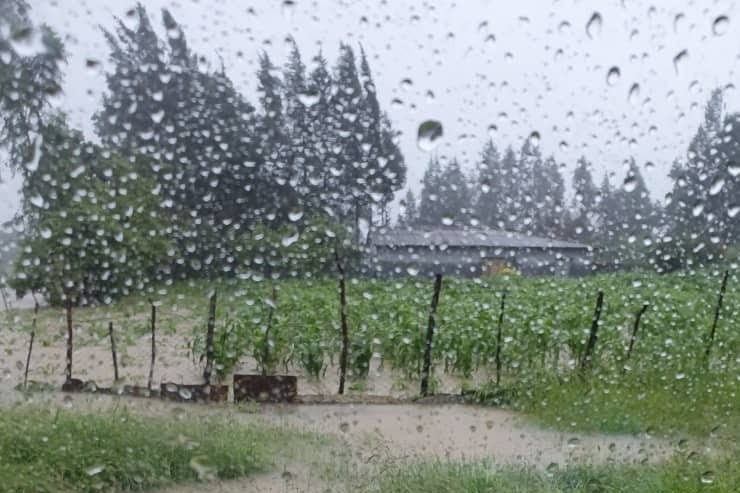
While researching Shona indigenous knowledge on weather forecasting for this post, I was reminded of a story about Aboriginal communities in Australia. They have long practised what is known as ‘cultural burning’ — small, controlled fires set deliberately at certain times of the year.
For thousands of years, these fires cleared dry grass, prevented large wildfires, and, most remarkably, helped the land regenerate. Scientists later discovered that some native plants actually need the heat and smoke from these fires for their seeds to germinate.
What seemed like a simple custom turned out to be a sophisticated system of land management — a clear example of how deeply indigenous knowledge is rooted in careful observation and understanding of the environment.
Similarly, Shona communities have developed practices that show their deep understanding of the local environment. This demonstrates that indigenous knowledge systems have real scientific value, and people who have lived in an area for generations often understand their surroundings better than anyone else.
In this post, we explore Shona indigenous knowledge systems and how they have been used to forecast the weather.
Why knowing the weather matters
Before we dive into Shona methods, it’s worth understanding why forecasting the weather is important.
When we know what the weather will be like in the days ahead, we can plan better. For food security, farmers can make decisions on how to prepare for the agricultural season. If a drought is coming, they can save surplus food and prepare suitable storage facilities. They can also choose the best crops to plant — crops that can withstand drought.
With flood forecasts, farmers can take precautions to protect their crops, such as planting away from low-lying areas. They can also select crops that are resilient to flooding.
Why Shona weather wisdom still matters
Indigenous knowledge on weather and climate is especially important for adapting to climate change.
It provides information specific to an area, connects with local culture, and makes communication and understanding easier for communities. Including indigenous knowledge makes it easier for authorities to carry out initiatives successfully, as people are more likely to cooperate when their own knowledge is recognised.
However, this knowledge also has challenges. Sometimes local knowledge may be incorrect or even harmful, and because it has been passed down orally, there is a risk of misquoting or misinterpreting it.
How the Shona read nature
Among the Shona, traditional weather forecasting involves observing changes in plants and animals, monitoring weather conditions, and watching the movements of the stars, sun, and moon. Let’s take a closer look at each of these methods.
1. Trees as weather indicators
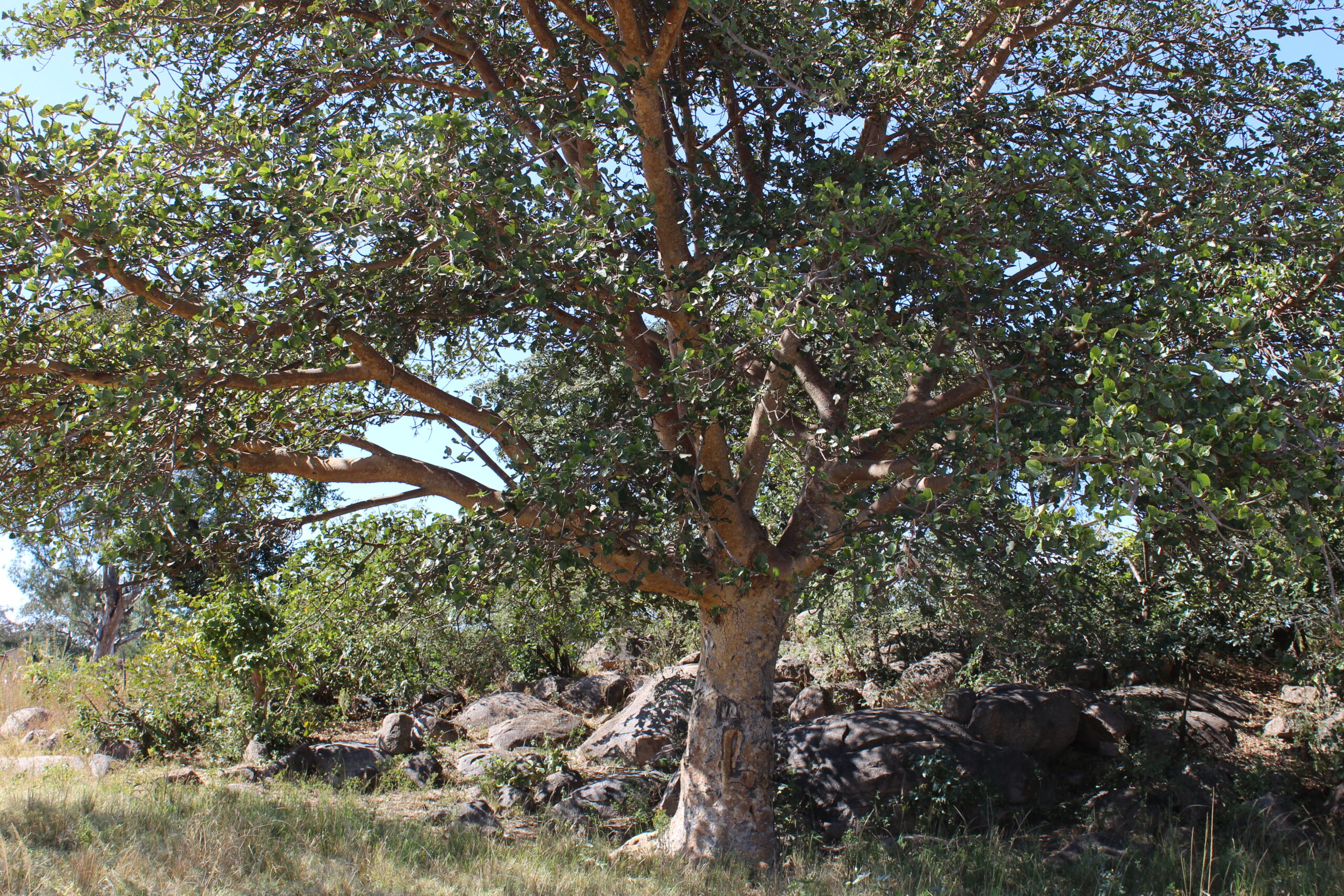
Different trees are used to understand the weather in different ways. The abundance of fruit on certain trees like muhacha, mugan’acha, and muzhanje is used to predict the amount of rainfall in an agricultural season. For non-fruit trees, indicators include the withering of leaves and flowering patterns.
| Forecast weather | Signs/ Indicators |
| Drought |
|
| Rainy season will start soon |
|
| Good rainy season |
|
2. Insects and small creatures
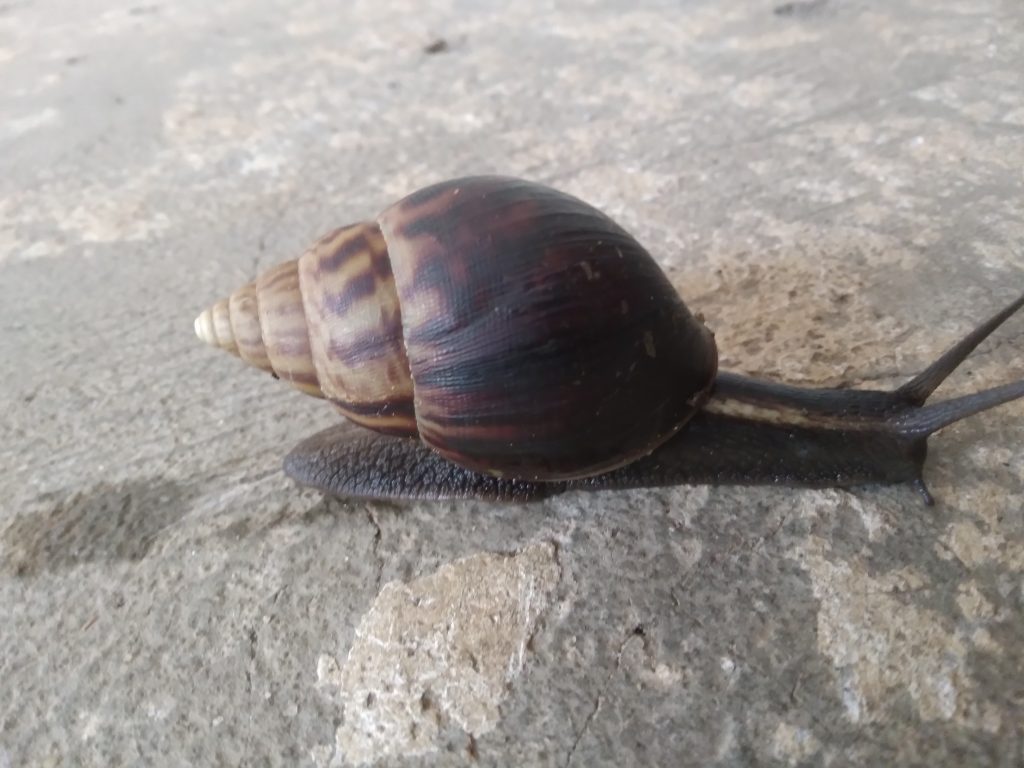
Certain insects and small creatures are used to predict the weather. Surfacing of mateza (vlei termites) and singing of nyenze (cicadas) indicate that the rainy season is approaching. Other insects such as mandere (day-flying chafers), mikonikoni (dragon flies) and ishwa (flying termites) show that rainfall is imminent.
| Forecast weather | Signs/ Indicators |
| Drought |
|
| Rainy season will start soon |
|
| Good rainy season |
|
| Rain about to start |
|
| Abundant rain/ floods |
|
3. Birds and their behaviour
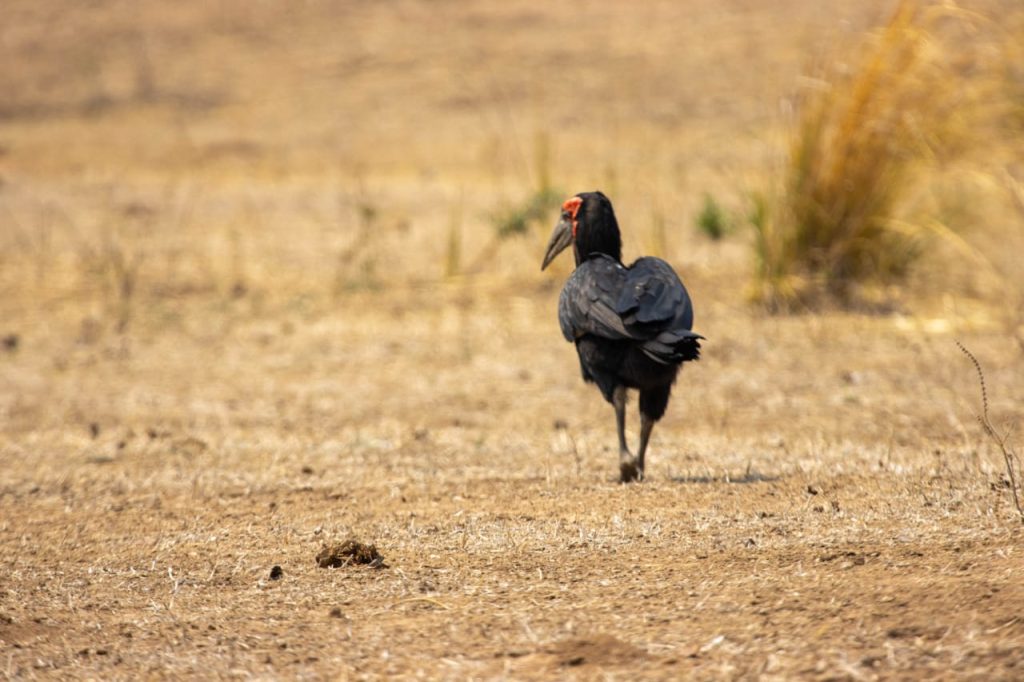
The behaviour of certain birds is used to predict the arrival of a particular rainy season, and the expected intensity of rainfall.
When migratory birds like shuramurove begin to show up, then this is a sign that the rainy season will be starting soon. As these birds vanish from an area, this is a sign of decreasing rain and eventually the end of the rainy season. Some birds signal the commencement of rain, others speak to rainfall patterns, and others are used to predict temperatures.
| Forecast weather | Signs/ Indicators |
| Drought |
|
| Rainy season will start soon |
|
| Good rainy season |
|
| Rain about to start |
|
| Rain will come the next day |
|
| Dry spell |
|
| Very hot afternoon |
|
| Hot days |
|
4. Weather conditions
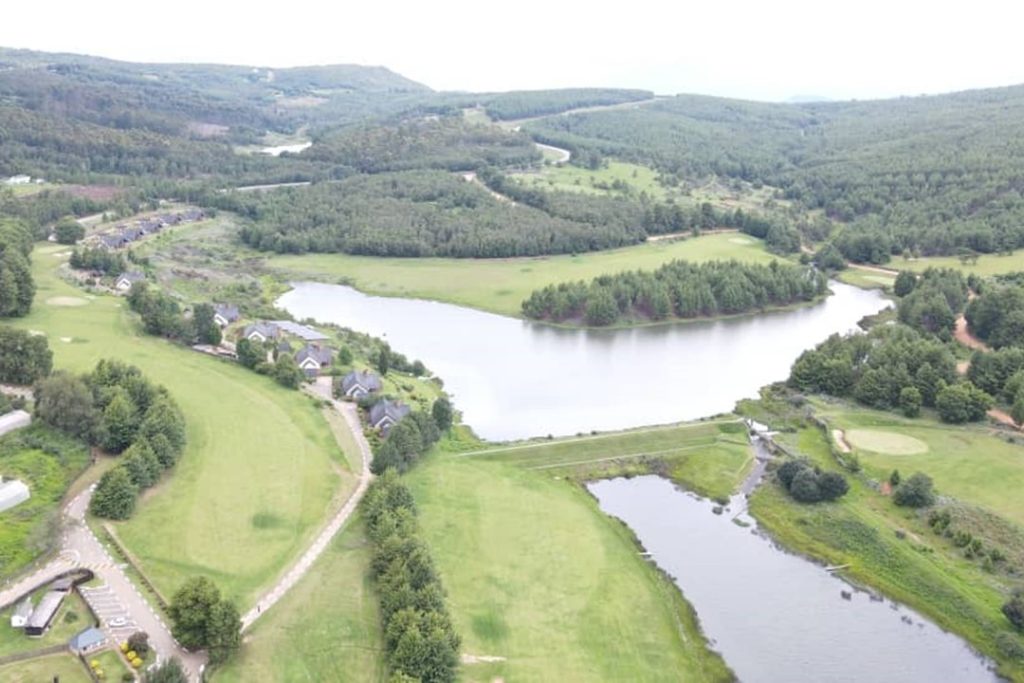
Shona communities also observe the weather itself — temperature, mist, humidity, and wind patterns. The same prediction can be indicated by different conditions in different areas. For example, the direction of the wind signaling the rainy season may vary depending on the region.
| Forecast weather | Signs/ Indicators |
| Drought |
|
| Rainy season will start soon |
|
| Good rainy season |
|
| Rain about to start |
|
| Abundant rain/ floods |
|
| No rain |
|
5. The sun, moon, and stars
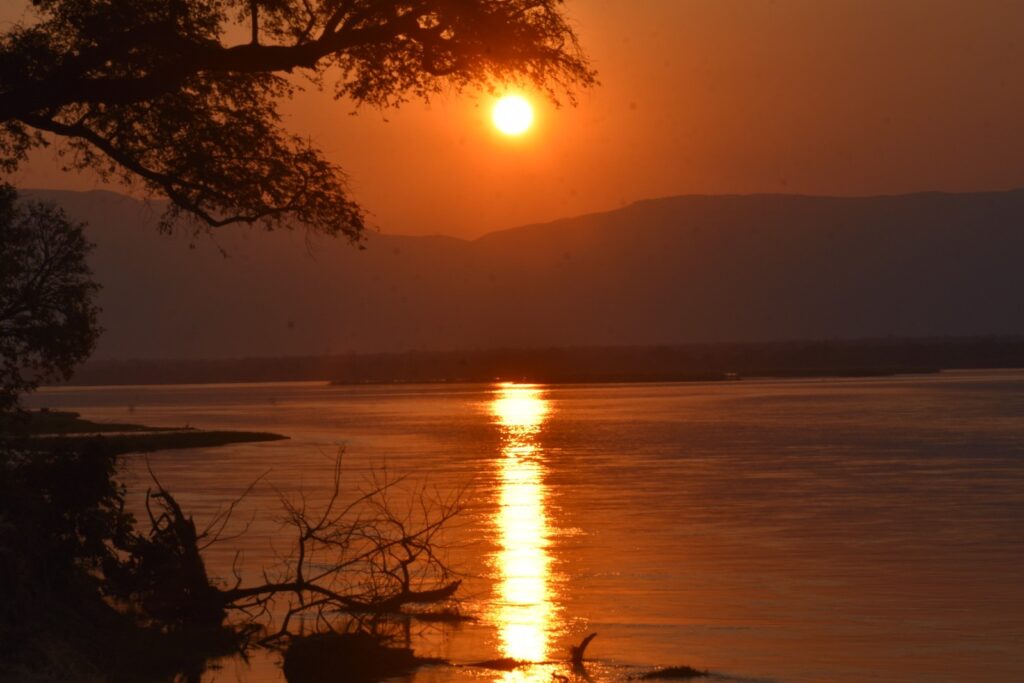
The sun, moon, and stars are also used to predict rainfall. One interesting observation involves clusters of stars called the Magellanic Clouds. The Large Magellanic Cloud and the Small Magellanic Cloud are two large clouds of stars and gas that can be seen with the naked eye in the southern hemisphere. They look like detached pieces of the Milky Way.
In Shona, the Large Magellanic Cloud is known as maguta and the Small Magellanic Cloud as mazhara. Zhara means famine or hunger, while maguta refers to plenty, or abundance of crops. When mazhara appears clearer, a drought is expected; when maguta is clearer, abundant rainfall is likely.
| Forecast weather | Signs/ Indicators |
| Drought |
|
| Rainy season will start soon |
|
| Good rainy season |
|
| Rain about to start |
|
| Abundant rain/ floods |
|
Combining old wisdom with modern tools
Today, weather forecasts come from satellites and scientific models, but the goal is the same: to understand nature’s patterns and prepare for what’s ahead.
Blending indigenous knowledge with modern science creates a more complete picture. It ensures forecasts are accurate and culturally meaningful. When communities see their own knowledge reflected in official forecasts, they are more likely to respond and adapt effectively.
By valuing both systems, we honor our ancestors and strengthen our ability to face the climate challenges of the future.
A note of thanks
A special thank you to all the academics and researchers who continue to uncover and document Shona culture, language, and indigenous knowledge. Your work helps keep our heritage alive and understood today. I would like to give special mention to the scholars whose research I read and learned from as I prepared this post:
- Muguti T. & Maposa R.S. (2012). Indigenous Weather Forecasting: A Phenomenological Study Engaging the Shona of Zimbabwe. The Journal of Pan African Studies, vol. 4, no. 9.
- Tanyanyiwa V.I. (2017). Weather Forecasting Using Local Traditional Knowledge (LTK) in the Midst of Climate Change in Domboshawa. Zimbabwe Open University Publication.
- Brazier A. (2020). Harnessing Zimbabwe’s Indigenous Knowledge for a Changing Climate. Konrad Adenauer Stiftung, Harare, Zimbabwe.
- ZimbOriginal. Cultural Astronomy of the Shona | Interpreting how the moon, stars, and planets are perceived.