
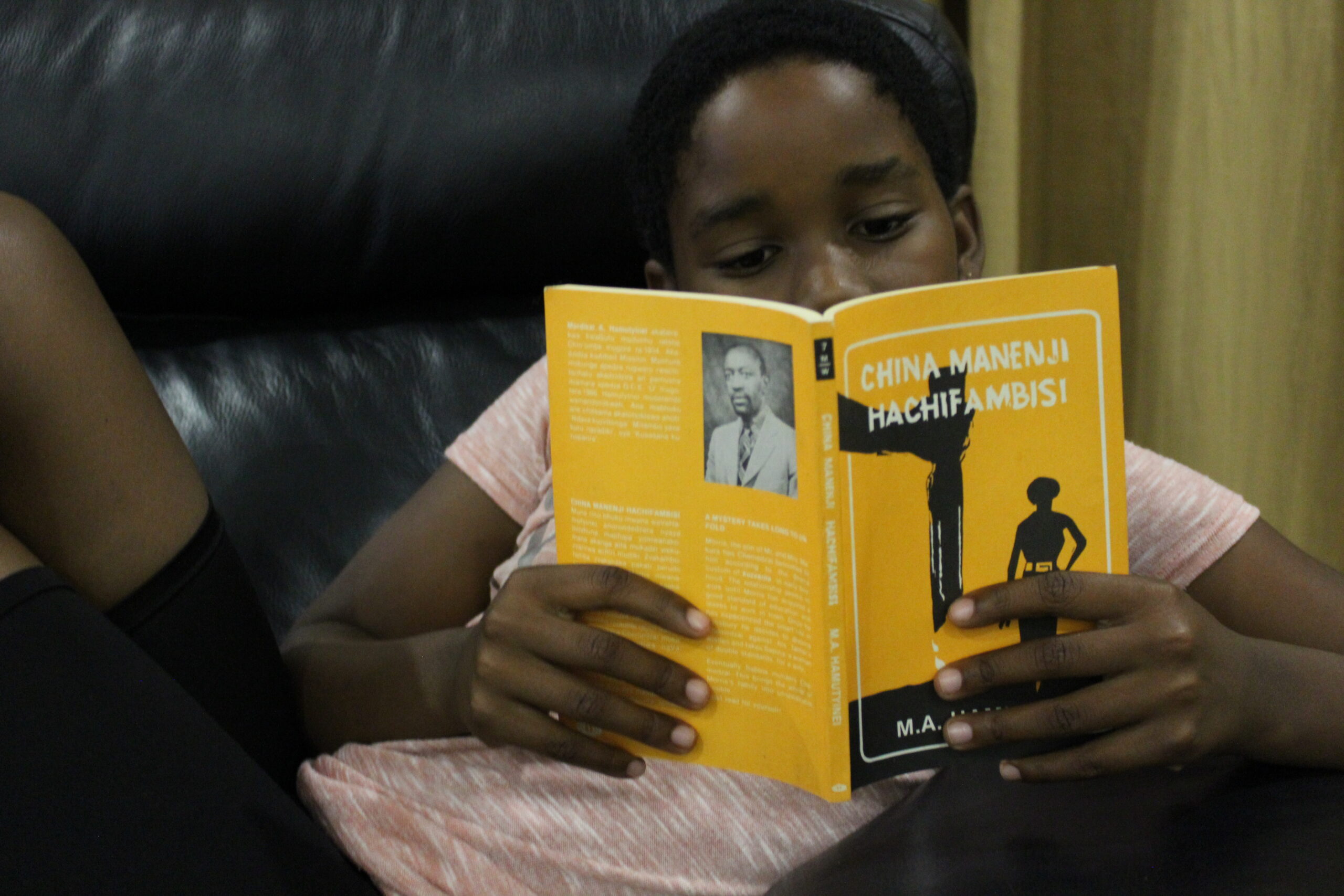
Recently, a young man reached out, excited to begin his Shona learning journey. He also wanted something specific: a timeline. How long would it take before he became fluent?
I couldn’t give him an exact answer, and that conversation reminded me of something important: learning speed ultimately depends on the learner.
It also made me reflect on my own journey with ZimbOriginal. In many ways, building this platform feels a lot like learning a language. Both require mastering new skills, showing up consistently, pushing through the hard parts, and discovering more about ourselves as we grow. The lessons relevant in one space often mirror the lessons in the other.
Instead of giving a fixed timeframe, what I can offer to anyone wondering how long it will take to master Shona are the principles that make the real difference. These are the patterns that explain why some people learn quickly while others do not: the habits that help some progress fast, and the habits that quietly hold others back.
I have summarized them into three broad lessons. Follow them sincerely, and the time it takes to master Shona becomes far shorter than most people expect, often only as long as you think.
1. Everyone learns eventually, you just need the right amount of repetition
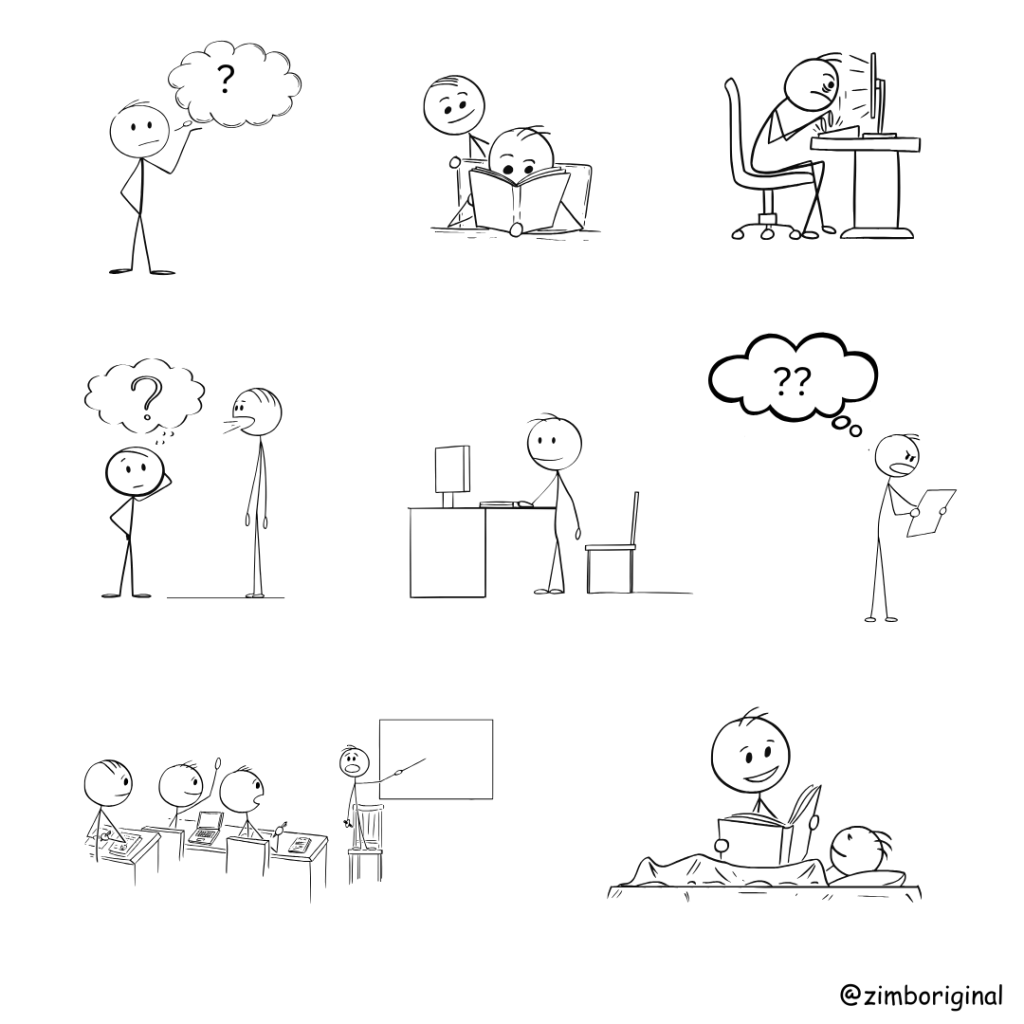
If there’s one thing the last few years have taught me, it’s this: repetition works.
There is a certain amount of practice required to unlock any skill, whether it’s speaking Shona, building a business, or learning to drive. And that amount is different for each person.
Some learn fast.
Some learn slowly.
But they all learn — eventually.
We live in a world that loves speed and shortcuts, but the truth is far more grounded: if you put in enough practice, improvement becomes unavoidable. When you believe you will succeed, you commit to the repetitions required to make failure nearly impossible.
Repetition is everything. In Shona learning, that means giving yourself as much exposure as you need, again and again, until the language becomes familiar.
And that is the part of learning no curriculum can package neatly.
Repetition is not glamorous. It’s not Instagrammable. It’s certainly not exciting.
But it is powerful.
This is what I want my learners to walk away with long after their lessons are done — that not everything in life needs talent or specialised gifts. Some things simply require showing up enough times. Shona might be the skill they’re practicing now, but the mindset? That is something they can carry everywhere.
2. Any goal worth pursuing comes with its own suffering
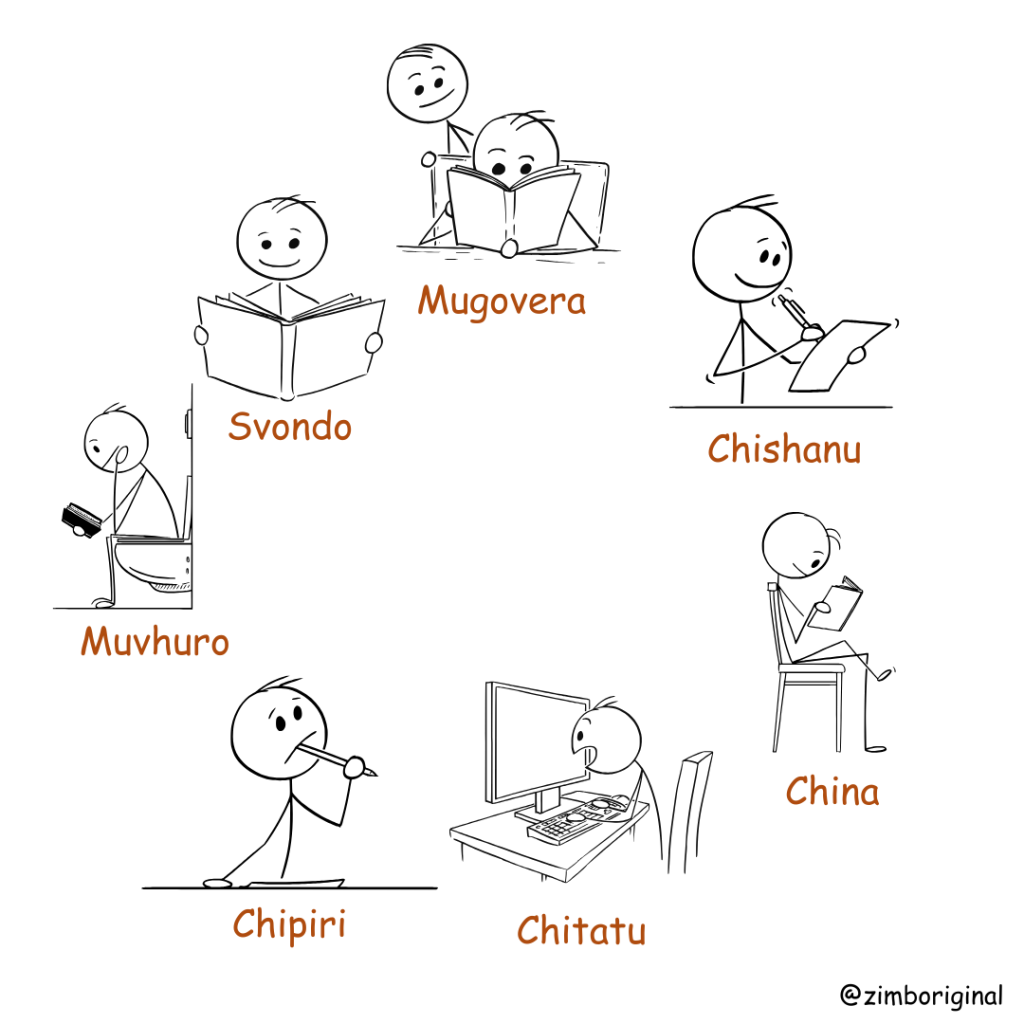
In one of my beginner lessons, a student looked at the worksheet I’d given her, wide-eyed.
‘I’m supposed to fill this whole page with words?’
‘Yes,’ I said.
‘But I don’t know any.’
‘And that is exactly why you will read. Every day.’
That is the price we pay for pursuing something meaningful. Ever heard the saying, ‘You choose your hard’? Learning comes with that kind of hard, showing up every day even when it feels uncomfortable. I have learned this in entrepreneurship too, and I hope you have seen it in your own pursuits.
But here’s the catch — and the beautiful part:
When you are willing to endure that discomfort longer than most people, you gain an advantage you didn’t ask for but definitely earned. You start to outlast the people who seemed more talented, more gifted, more naturally capable.
Consistency beats brilliance every time. Show up each day and put in the work, even when it’s tough and your body is saying, ‘I can’t.’ Push through that, and you become unstoppable!
3. Doing is everything
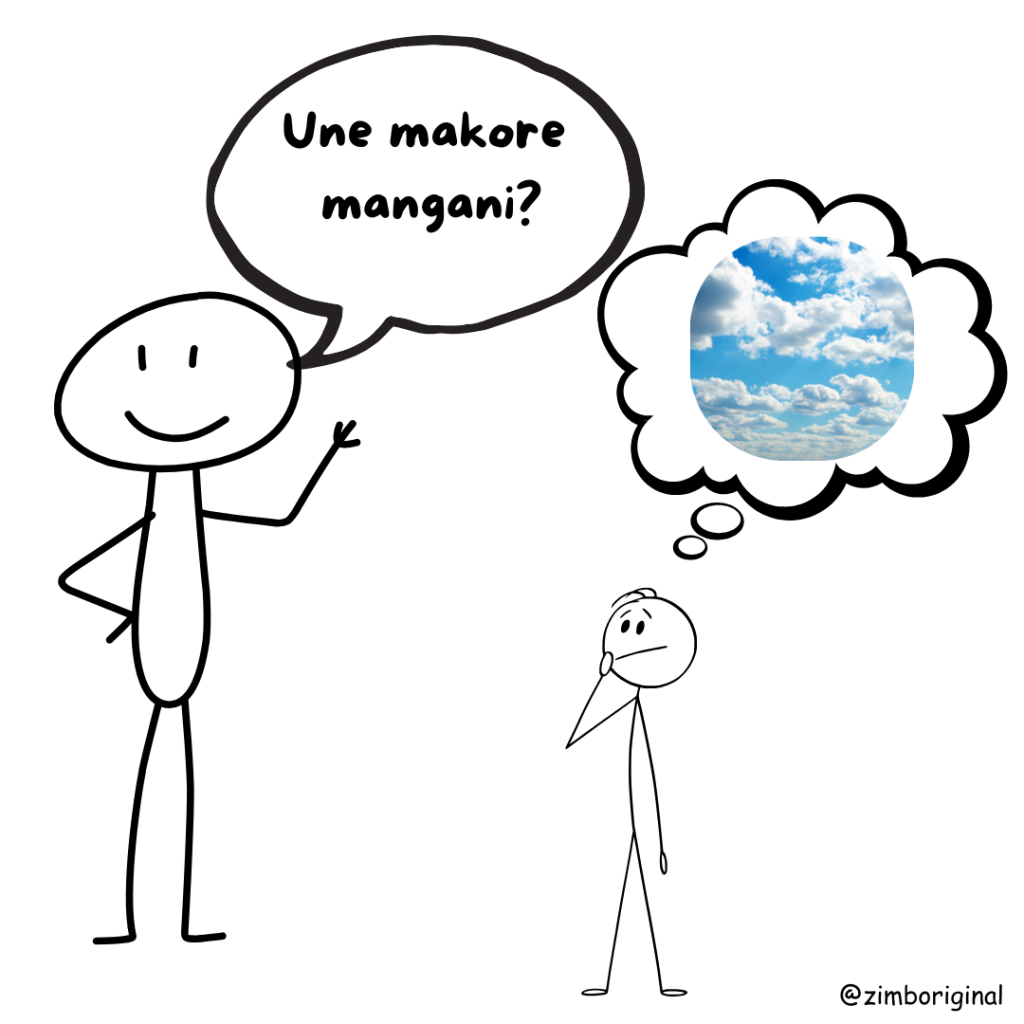
We all knew that one kid in school who seemed ‘not that bright,’ yet somehow, now as adults, they are doing better than most of the ‘smart kids.’
Why?
Because they did.
They acted.
They tried.
They moved.
Action is the great differentiator.
Most people can reach a basic level of competence in nearly any skill with just 20 hours of deliberate practice.
Not 20 hours of watching lessons.
Not 20 hours of reading tips.
Twenty hours of doing.
You learn more from 20 hours of action than from 200 hours of preparation.
Action creates feedback.
Feedback shapes understanding.
Understanding transforms behaviour.
In my Shona program, I deliberately build systems that make learners do.
Many people instinctively gravitate towards passive learning: reading notes, taking quizzes, filling worksheets. They feel productive but change very little.
Real learning happens when you speak, when you try, when you make mistakes out loud. I can’t imagine how a language can be learned without mistakes.
The final lesson I hope my learners leave with is simple: Be a doer.
The world moves because of people who act while others analyse, hesitate, or wait, as if hoping that things will change on their own.
So how long will it take to master Shona?
As long as you think.
As long as you are willing to show up.
As long as you are willing to repeat.
As long as you are willing to endure the discomfort.
As long as you are willing to do, not just prepare.
Mastery isn’t measured in months. It’s measured in repetition, effort, and action.
Whatever goals we are pursuing — or encouraging our children to pursue — these lessons apply. Show up. Embrace the hard. Repeat. Act. Trust the process. The results will follow, and the skills learned along the way will shape far more than the thing we set out to learn.
And maybe that’s the real beauty of learning: you start by trying to master a skill, but in the end, you master yourself.