

Some Shona sounds can be tricky, and that is completely normal
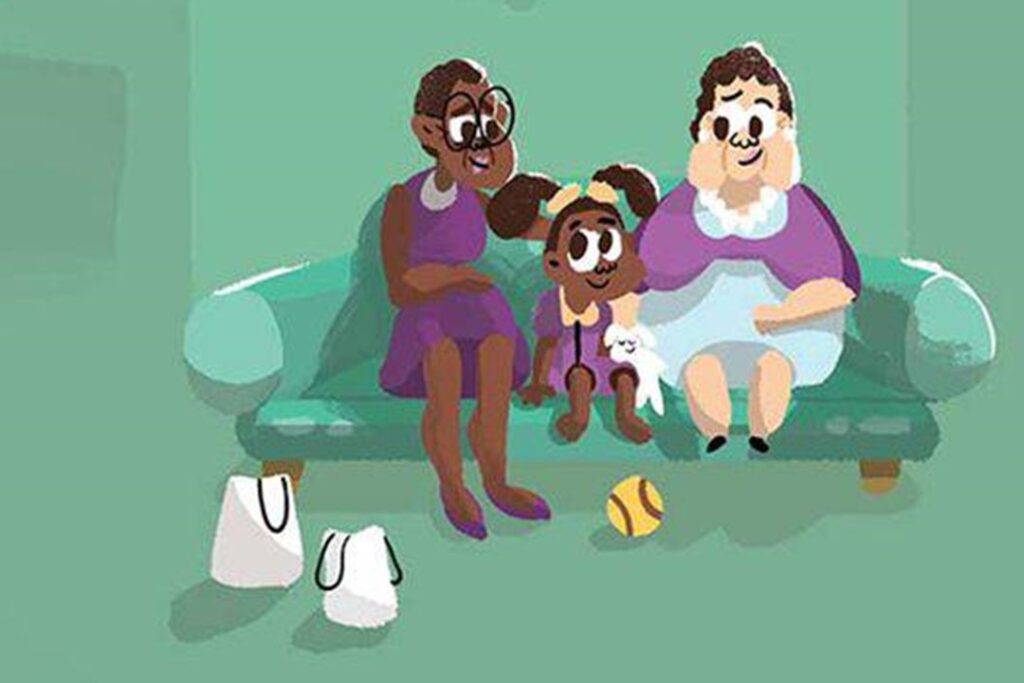
When learning Shona, some sounds can be tricky. The mother of one of my learners reached out, concerned that her son couldn’t tell sounds like m and mh, n and nh apart. She worried that maybe her son’s situation was unique or that he was ‘behind.’
I reassured her that this is completely normal. Certain sound patterns that are foreign to the language a learner already knows can naturally be difficult. To illustrate, I explained how a native Shona speaker might struggle with the clicks in Ndebele. There are a number of sounds that are unique to Shona, and anyone learning the language for the first time could struggle with them.
In this post, we’ll look at 10 Shona sounds that children often struggle with, explain why they are tricky, and share practical ways to practice them, so that learning Shona can be fun, engaging, and confidence-boosting.

You can support your child’s Shona learning journey with ZimbOriginal’s Shona Story library. Try it for FREE.


1. b
- What it feels like: Making the ‘b’ sound is like putting on lipstick and gently pressing your lips together to even it out, then popping them apart. The sound comes from your lips, but your throat buzzes gently at the same time.
- Why it’s tricky: Many learners naturally default to the ‘bh’ from English, which is slightly different from the pure Shona ‘b.’
- Example words: baba (father), bota (porridge), banga (knife)
Practice tips
- Syllable group: – Repeat ‘ba be bi bo bu‘ and feel the lips coming together and popping apart.
- Repetition: Say words like ‘baba, bota, banga‘ slowly, then gradually faster.
2. d
- What it feels like: Saying ‘d’ feels like a gentle tap with your tongue against the roof of your mouth, while your throat buzzes softly at the same time.
- Why it’s tricky: Many learners naturally default to the English ‘dh’ sound, which is slightly different from the pure Shona ‘d.’ This can make the sound feel unusual at first.
- Example words: denga (sky), dama (cheek), dede (baboon)
Practice tips
- Syllable group: Repeat ‘da de di do du‘ slowly, then gradually faster.
- Repetition: Say words like ‘denga, dama, dede‘ multiple times.
- Mirror practice: Mirror practice can help you notice how the tongue lightly touches the ridge behind the upper teeth.
3. dzv
- What it feels like: Making the ‘dzv’ sound feels like you are about to say an English ‘d,’ but the sides of your tongue are pressed against your upper teeth. From there, immediately slide into ‘z,’ and finish with ‘v,’ all in one smooth, continuous burst. Keep the tongue in position while the sound flows naturally.
- Why it’s tricky: This sound does not exist in English. Many learners break it into separate sounds, or drop a part of it. It can feel like too many movements happening at once.
- Example words: dzvinyu (lizard), dzvanya (press), dzvuta (sip)
Practice tips
- Build it step by step: Say ‘d,’ then ‘z,’ then ‘v’ slowly. After that, try blending them smoothly into ‘dzv.’
- Syllable group: Practice ‘dzva dzve dzvi dzvo dzvu.’ Keep the sound flowing as one unit.
- Repetition: Repeat ‘dzvinyu, dzvanya, dzvuta‘ several times without pausing between the letters.
4. mh
- What it feels like: The ‘mh’ sound feels like saying ‘m’ and then immediately sighing the ‘h’ sound. Your lips vibrate lightly for the ‘m,’ and the air flows gently for the ‘h,’ all while your voice stays on.
- Why it’s tricky: Learners often confuse ‘mh’ with just ‘m,’ because English does not have this breathy version. It can feel like an extra step, combining lips, airflow, and voice.
- Example words: mhuri (family), mhepo (wind), mhanya (run)
Practice tips
- Syllable group: Repeat ‘mha mhe mhi mho mhu’ slowly, then gradually faster.
- Repetition: Say words like ‘mhuri, mhepo, mhanya‘ several times.
- Breathy hum: Hum ‘m’ and then immediately sigh the ‘h’ to feel the flow.
5. n’
- What it feels like: Although the n’ sound is technically like ‘ny’ in canyon, for many speakers it actually feels closer to the ‘ng’ in song or finger.
- Why it’s tricky: Learners often say a normal ‘n’ because English does not have this exact sound.
- Example words: n’anga (divine healer), n’a (crack under the foot), munin’ina (younger sibling)
Practice tips
- Syllable group: Repeat ‘n’a n’e n’i n’o n’u‘ slowly, then gradually faster.
- Repetition: Say words like ‘n’anga, n’a, munin’ina‘ several times.
6. nh
- What it feels like: Making the ‘nh’ sound feels like saying “n” and then immediately sighing out a soft ‘h.’ The airflow through the nose is gentle, and the lips stay relaxed while the tongue stays in place.
- Why it’s tricky: Learners often default to a normal ‘n’ without the breathy ‘h’ because English does not have this exact sound. Coordinating the tongue and breath at the same time can feel unusual.
- Example words: nhasi (today), nhanga (pumpkin), nhau (news)
Practice tips
- Syllable group: Repeat ‘nha nhe nhi nho nhu’ slowly, then gradually faster.
- Repetition: Say words like ‘nhasi, nhanga, nhau‘ multiple times.
- Breathy feel: Start with ‘n’ and gently push out a small breath of air for the ‘h.’
7. nzv
- What it feels like: Saying ‘nzv’ feels like saying ‘n’ and then immediately sliding into a soft ‘zv’ sound. The tongue taps briefly, then the lips and teeth help produce the ‘v’ friction.
- Why it’s tricky: Learners often say ‘nz’ , missing the smooth connected ‘v’ that makes it distinct in Shona.
- Example words: nzvimbo (place), hanzvadzi (sibling of opposite gender), nzvenga (dodge)
Practice tips
- Syllable group: Repeat ‘nzva nzve nzvi nzvo nzvu’ slowly, then gradually faster.
- Repetition: Say words like ‘nzvimbo, hanzvadzi, nzvenga’ several times.
- Buzz feel: Start with ‘n’ and slide smoothly into ‘zv,’ keeping the voice continuous.
- Mirror practice: Watch your tongue tap for ‘n’ and lips/teeth for ‘v.’
8. sv
- What it feels like: Saying the ‘sv’ sound feels like hissing ‘s’ and then like you are almost beginning to whistle as you slide into ‘v.’ Your teeth and lips help shape the ‘v’ while the tongue stays relaxed for the ‘s.’
- Why it’s tricky: Learners often separate ‘s’ and ‘v,’ missing the smooth, connected cluster that is natural in Shona.
- Example words: Svondo (Sunday), svika (arrive), svosve (ant)
Practice tips
- Syllable group: Repeat ‘sva sve svi svo svu’ slowly, then gradually faster.
- Repetition: Say words like ‘svondo, svika, svosve‘ several times.
- Buzz/whistle feel: Start with ‘s’ and slide smoothly into ‘v,’ imagining you are about to whistle.
9. tsv
- What it feels like: Saying ‘tsv’ feels like a sharp ‘ts’ hiss followed by a gentle buzzing ‘v.’ It’s almost like saying ‘ts’ quickly, then about to whistle into ‘v.’
- Why it’s tricky: Learners often say ‘ts’ and ‘v’ separately, missing the smooth connected cluster that makes it distinct in Shona.
- Example words: tsvimbo (walking stick), tsvina (dirt/mud), tsvaga (search)
Practice tips
- Syllable group: Repeat ‘tsva tsve tsvi tsvo tsvu’ slowly, then gradually faster.
- Repetition: Say words like ‘tsvimbo, tsvina, tsvaga’ several times.
- Buzz/whistle feel: Start with ‘ts’ and slide smoothly into ‘v,’ imagining you are almost whistling.
10. v
- What it feels like: The ‘v’ sound feels like a soft buzzing between your teeth and lip, almost like you are about to say the English ‘v,’ but you gently bite your bottom lip with your upper teeth. The sound comes from your lips and voice working together.
- Why it’s tricky: Learners often default to English ‘v’ sound.
- Example words: vata (sleep), vana (children), vakadzi (women)
Practice tips
- Syllable group: Repeat ‘va ve vi vo vu’ slowly, then gradually faster.
- Repetition: Say words like ‘vata, vana, vakadzi’ several times.
- Buzz feel: Keep your lips lightly touching your teeth and maintain a gentle vocal vibration.
Building confidence with Shona sounds
Learning new sounds in Shona can feel tricky, especially when they don’t exist in a learner’s first language. It’s completely normal to mix them up or feel unsure at first. Even native speakers would struggle with sounds foreign to them, like Ndebele clicks. The key is practice, patience, and noticing patterns.
Encourage children to repeat syllables, read aloud, and spot words with these sounds in stories. Celebrate small successes, each correct ‘b,’ ‘nh,’ or ‘tsv’ is a step closer to mastery. With consistent practice, learners not only get the sounds right but also gain confidence in speaking Shona naturally.
Related Reads: